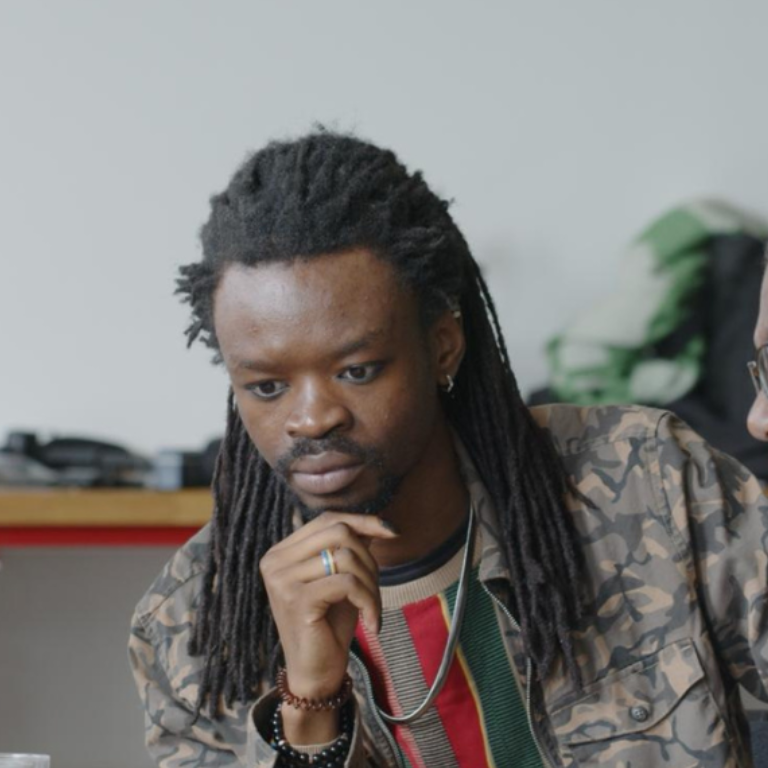


The 1965 Race Relations Act was the first law to make racial discrimination illegal in public spaces — a historic turning point in Britain’s journey towards racial equality, influenced by the Bristol boycott in 1963, and civil rights activism movements across the country including Nottingham and Notting Hill. But as our short film makes clear, while laws have evolved, the lived reality for many Black Britons remains marked by inequality, bias, and systemic injustice.
Our short film has been nominated for a Third Sector Award!
A huge influence on the Race Relations Act 1965, was the Bristol Bus Boycott of 1963, which arose from the refusal of the Bristol Omnibus Company to employ Black or Asian bus crews in the city of Bristol. The boycott was led by youth worker Paul Stephenson and the West Indian Development Council, which was comprised of Roy Hackett, Owen Henry, Audley Evans and Prince Brown. The boycott of the company’s buses lasted for four months until the company backed down. It had great support from Tony Benn, Fenner Brockway and former cricketer Learie Constantine, who all condemned the bus company. Thanks to the strength and determination of the community in Bristol and strong allyship, concrete change was able to happen – a lesson we should continue to learn from today.
As Dr Stephenson OBE, author of ‘Memoirs of a Black Englishman’, said: “Every generation has a duty to fight against racism, otherwise it will find its way into our country and into our homes. Addressing this challenge is our duty if we wish to seek a happy and prosperous existence.”